Do electric car batteries last long?
Thinking about going electric, but worried about how long the battery will actually last? This guide covers everything you need to know, so you can drive with peace of mind.
What is a battery’s SOH?
A battery’s degradation, known as SOH (State Of Health), refers to how much energy capacity remains compared to its original capacity.
Example: a 100 kWh battery with a 95% SOH gives you 95 kWh of usable capacity.
SOH naturally decreases over time and with use, but this decline is usually very gradual and doesn’t stop you from using your car normally for many years.
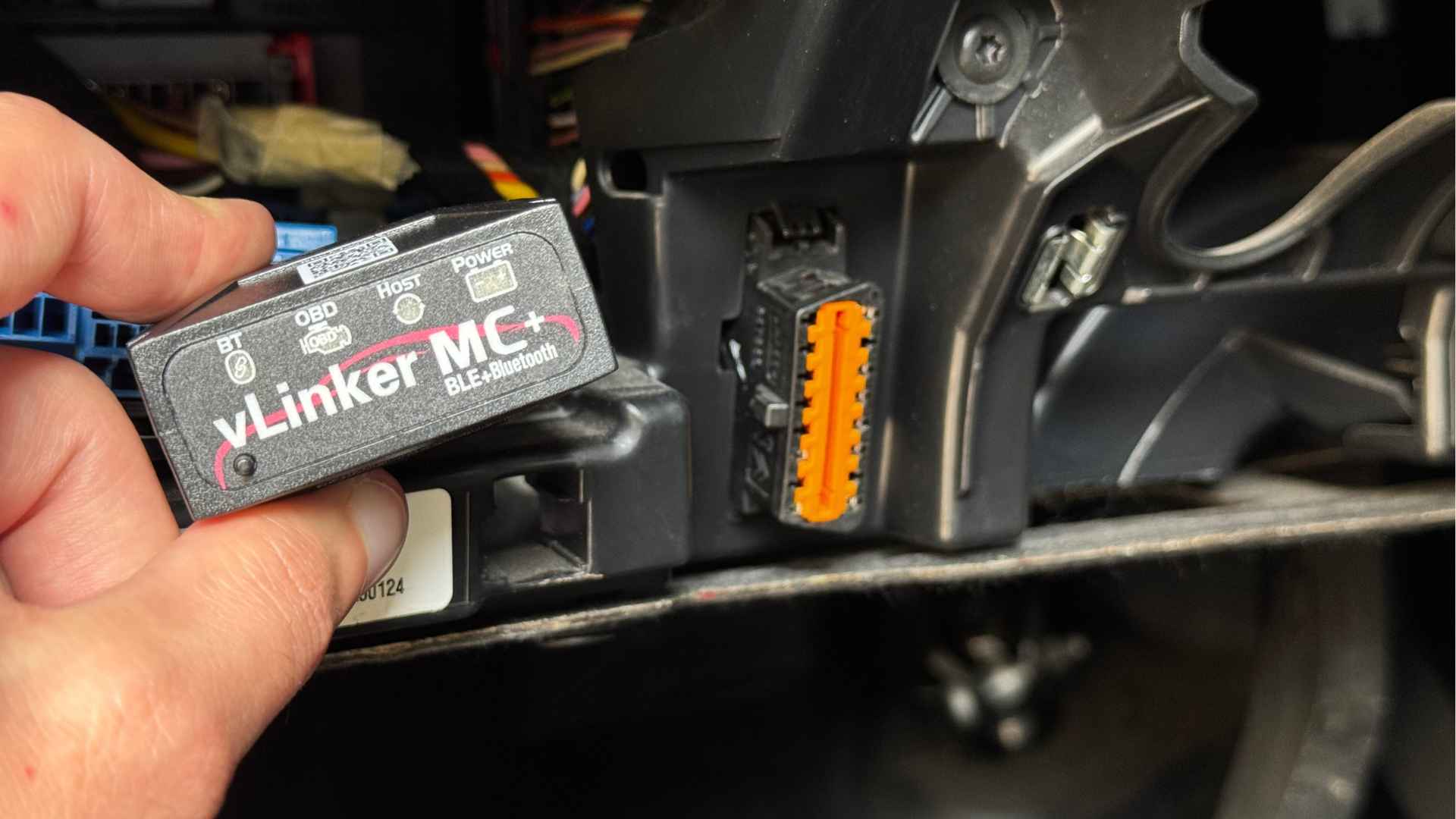
To check your battery’s SOH, you can use an app like Car Scanner, paired with an OBD dongle plugged into the vehicle’s diagnostic port.
This method is especially useful if you’re considering a used vehicle: ask the seller for the current SOH, or measure it yourself before buying.
What factors degrade a battery?
Battery degradation mainly depends on two factors: its age and the number of charge cycles it has been through.
In terms of age, degradation is more noticeable during the first 2 to 4 years after production, then it slows down significantly.
On average, you can expect around 5% degradation by the 4th year, with very little change afterwards.
The second factor is the number of cycles. One cycle corresponds to a full charge from 0 to 100%, even if it’s done in several sessions (for example, two 50% charges).
Other factors can also speed up battery degradation:
- Leaving your vehicle below 10-20% for several days
- Leaving your vehicle charged above 80-90% for several days or weeks (NMC batteries only)
- Regular exposure to extreme temperatures without protection
NMC or LFP: what’s the difference for battery life?
There are two main battery chemistries: NMC (Nickel Manganese Cobalt) and LFP (Lithium Iron Phosphate). The chemistry used directly affects how long the battery lasts.
NMC batteries typically support around 1,500 cycles before reaching an 80% SOH. LFP batteries are more resilient on this front, supporting around 3,000 cycles before reaching the same threshold.
3,000 cycles, for a Tesla Model 3 with a WLTP range of 513 km, works out to roughly 1,539,000 km before reaching an 80% SOH. Not bad, right?
Another advantage of LFP batteries: unlike NMC, they can be regularly charged to 100% without accelerating degradation.
To find out which battery chemistry your vehicle uses, head to the vehicle page on Electus: search for your model to find its battery chemistry along with its other technical specs.
Does fast charging damage the battery?
This is a common concern among future EV drivers, but it’s largely unfounded when it comes to recent vehicles.
On some older electric models, which lacked liquid cooling, repeated fast charging during a trip could indeed accelerate degradation.
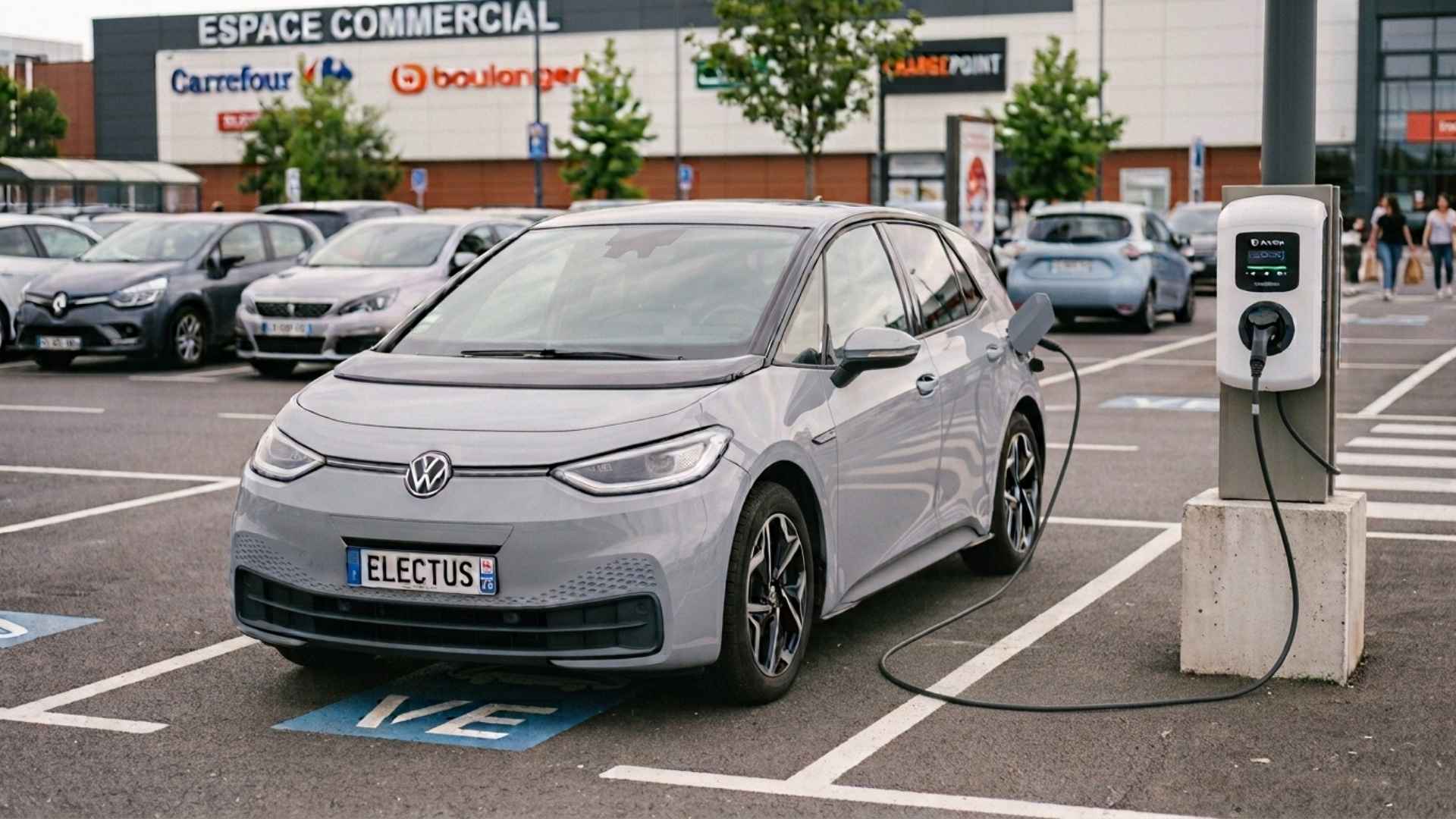
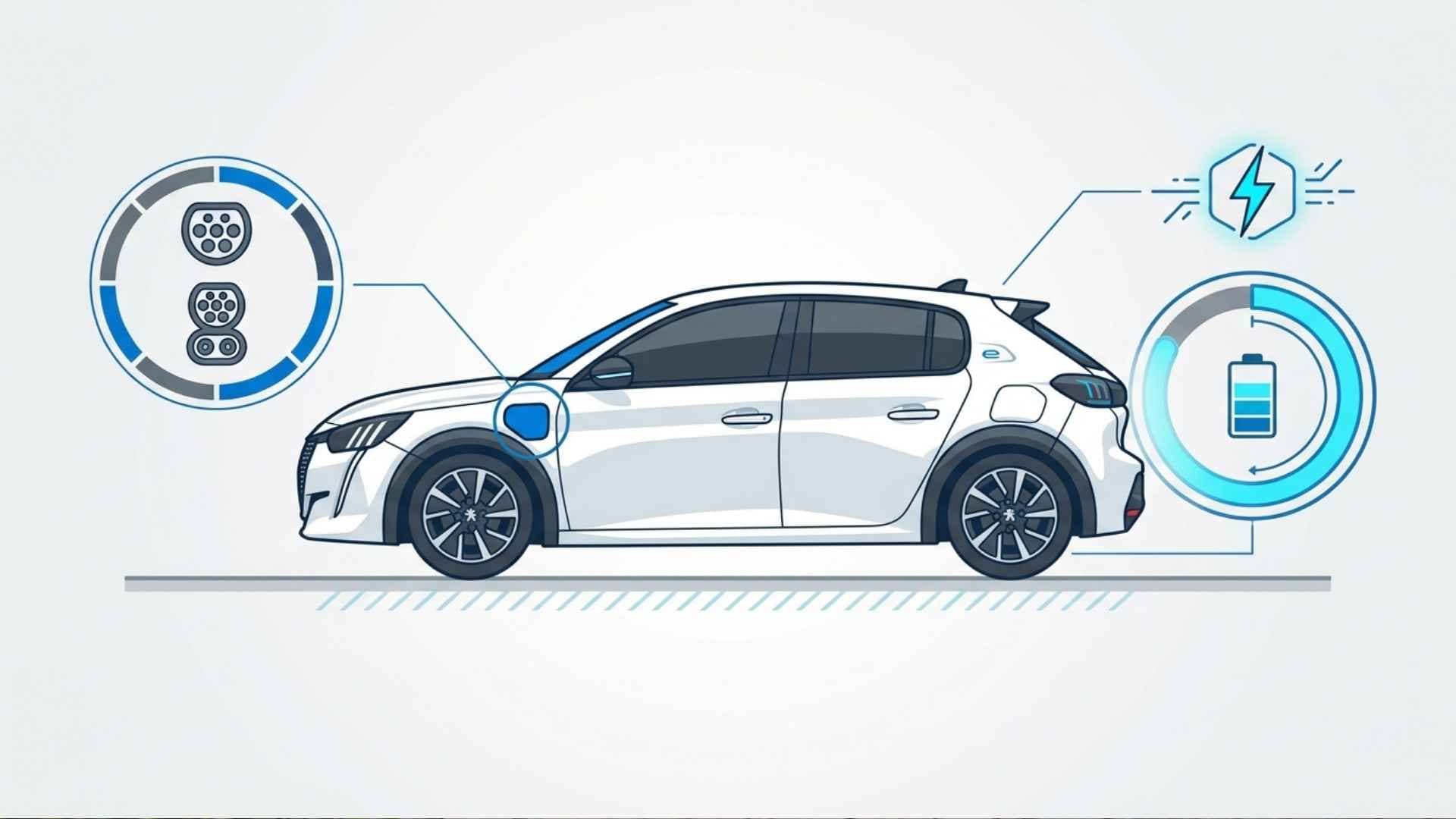
On modern vehicles, equipped with active battery cooling, fast charging causes no more degradation than slow charging. You can therefore use fast stations with confidence during your trips, without worrying about a meaningful impact on your battery’s lifespan.
How can you preserve your battery’s lifespan?
A few simple habits can help limit degradation over time:
- Aim for a 20-80% charge level when the vehicle stays parked for several days
- Only charge to 100% before a trip that requires the full range
- Avoid leaving the battery at a very low charge for extended periods
These are general recommendations: in everyday use, normal driving habits will only have a minimal impact on your battery’s lifespan.
What if the battery fails?
Like any component in a car, the battery can fail, although this remains rare.
Batteries are typically covered by an 8-year, 160,000 km warranty from manufacturers, which covers the vast majority of a driver’s usage over that period.
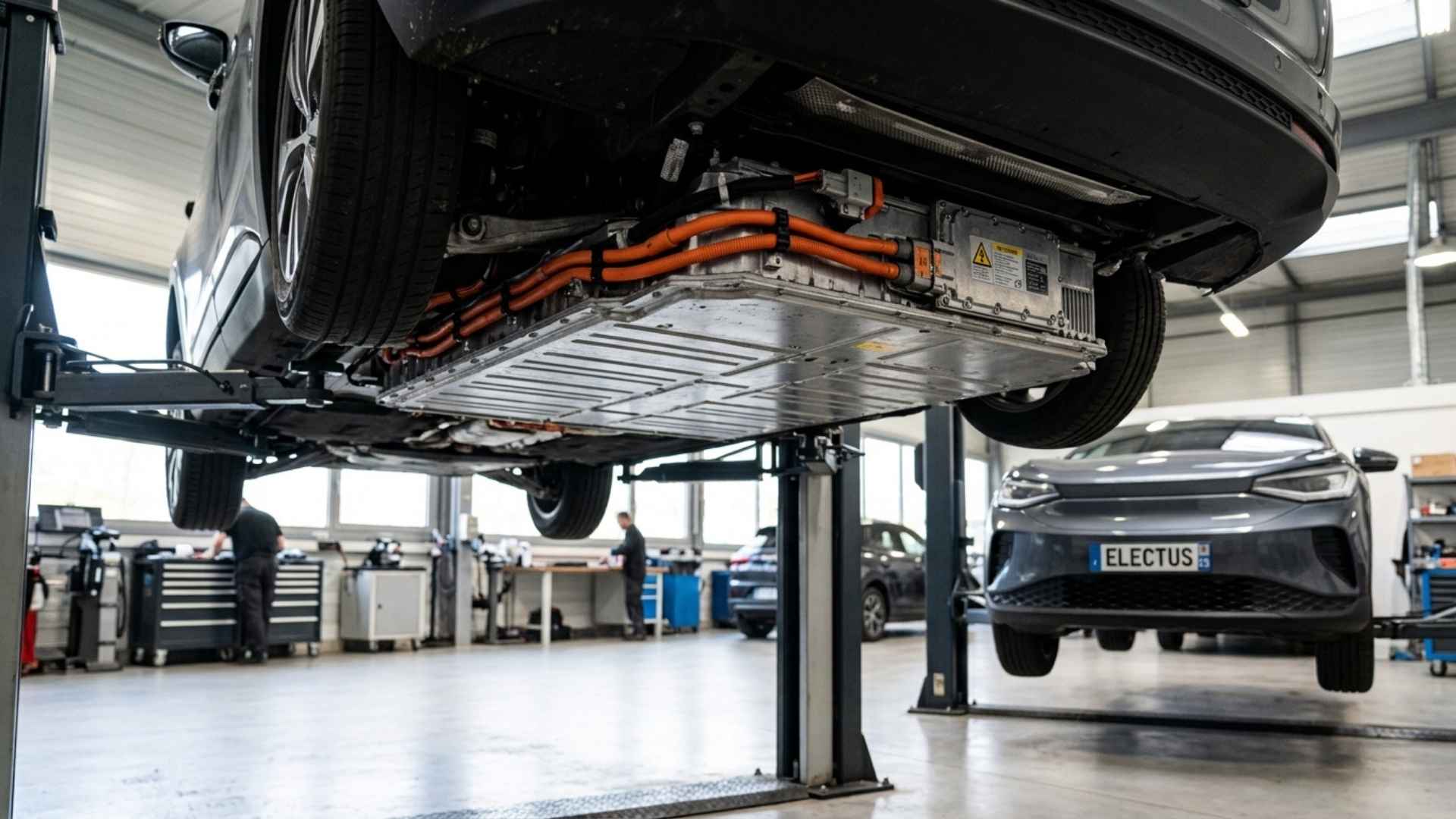
If a repair is needed outside of warranty, some garages specialise in electric vehicle and battery repair. This is the case for Révolte, a network of workshops dedicated to the maintenance and repair of electric and hybrid vehicles, which relies on specialised technical partnerships to offer expert support for this type of issue.
In summary
The lifespan of an electric car battery far exceeds common misconceptions: between very gradual natural degradation, a solid manufacturer warranty, and increasingly resilient technologies like LFP, there’s no reason to worry for normal everyday use.
To learn more about charging and its impact day to day, check out our guides on home charging and fast charging.