You have an electric car, but the cable it came with is too short, too slow, or simply missing from the boot? It is one of the most common purchases after the car itself, and also one of the easiest to get wrong. Between Type 2 cables, granny cables and all-in-one mobile chargers, there is a lot to choose from and the technical specs are often unclear.
This guide helps you choose the right cable for your car and the way you charge, so you can drive with peace of mind wherever you go. But before comparing models, the first step is to find out whether you actually need to buy one.
Do you really need to buy a charging cable?
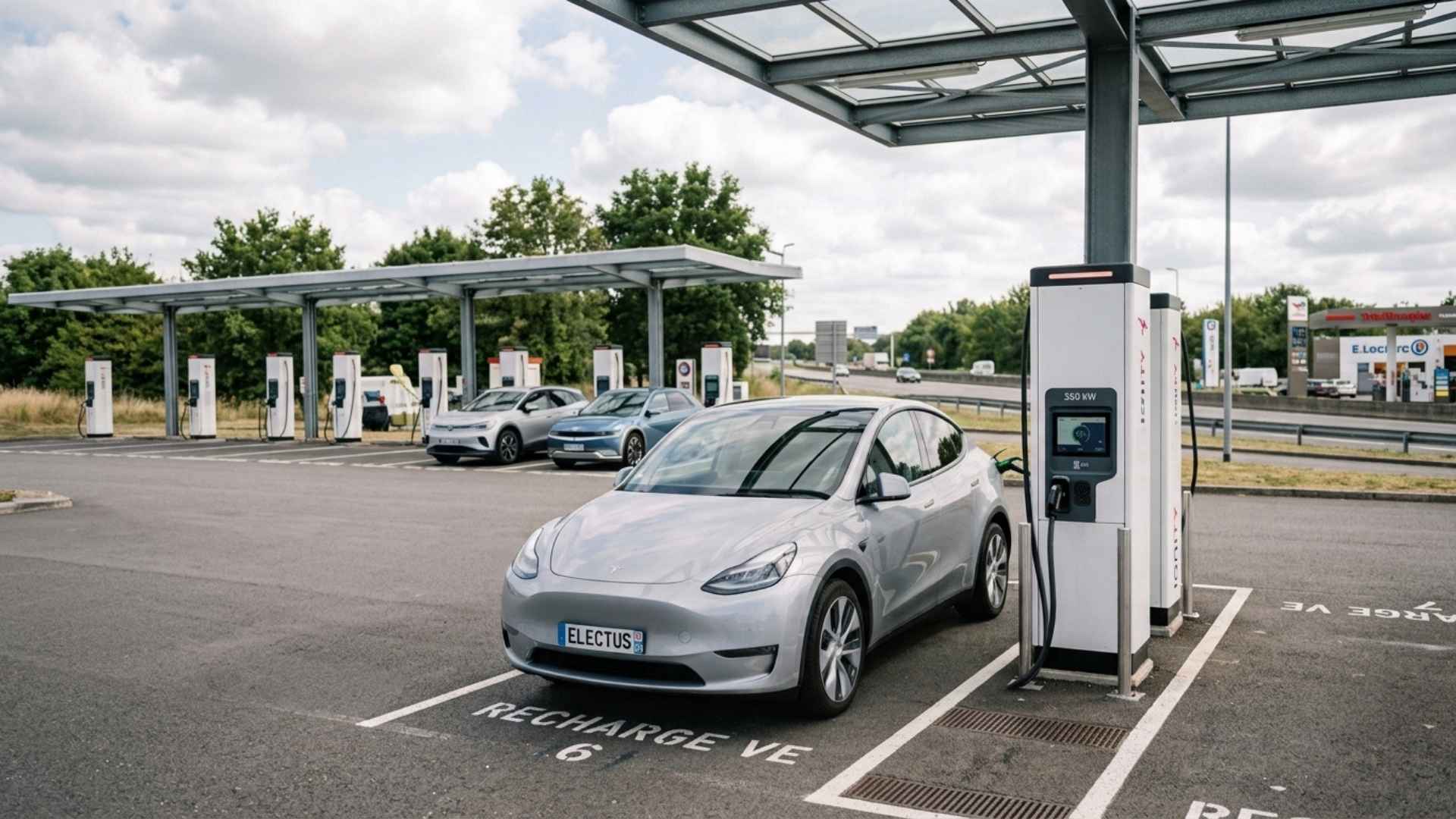
It all depends on where you charge. At fast chargers (DC), the ones you find on motorways or at some supermarkets, the cable is attached to the charger. You don’t need to bring anything.
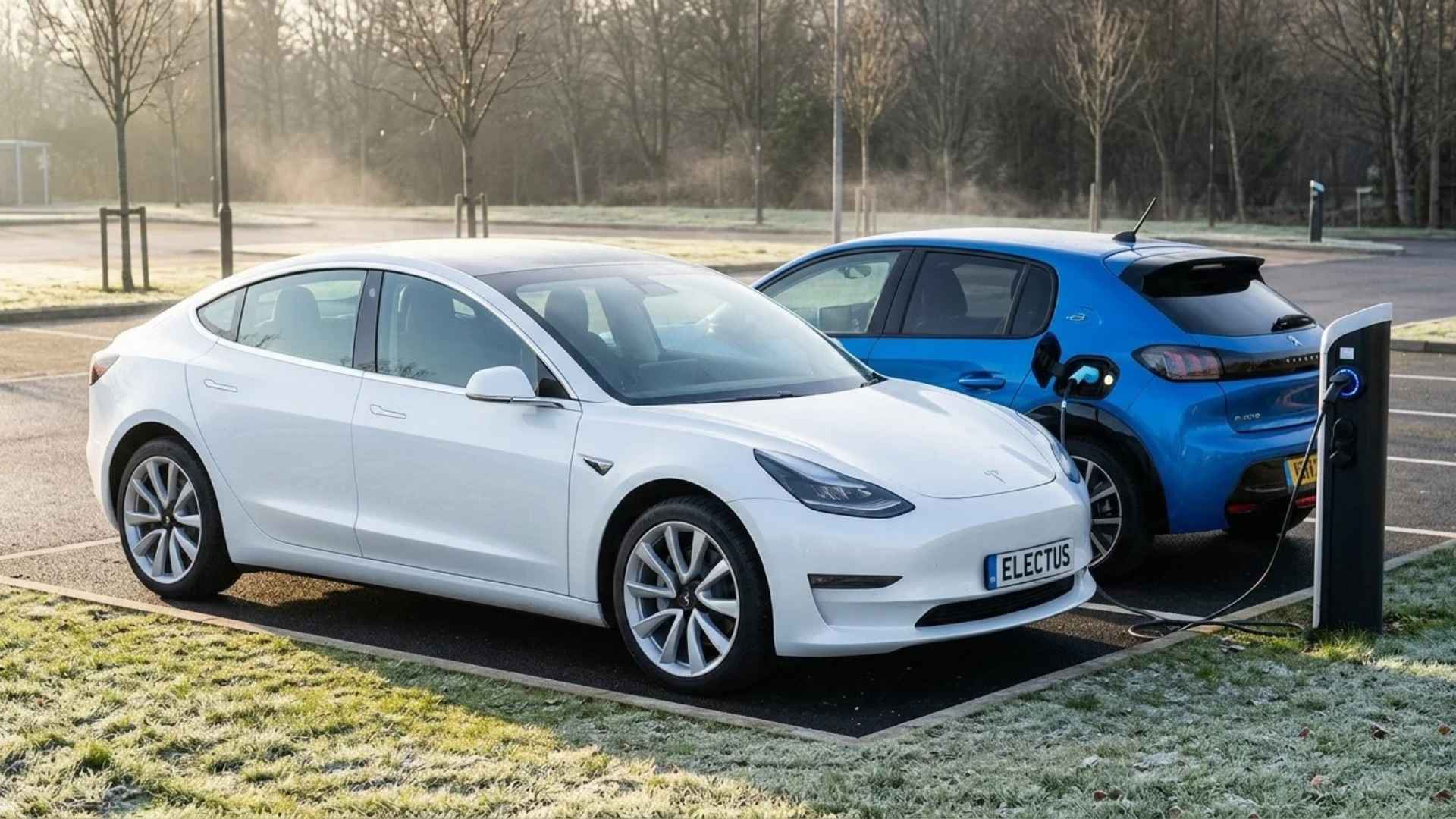
At public accelerated chargers (AC), however, the socket is usually bare: without your own cable, you can’t charge. And these are the chargers you come across most often, in town, in car parks and at shopping centres.
What comes with the car varies a lot:
- some cars come with a Type 2 cable and a granny cable;
- others come with only one of the two;
- and some come with no cable at all, especially second-hand cars.
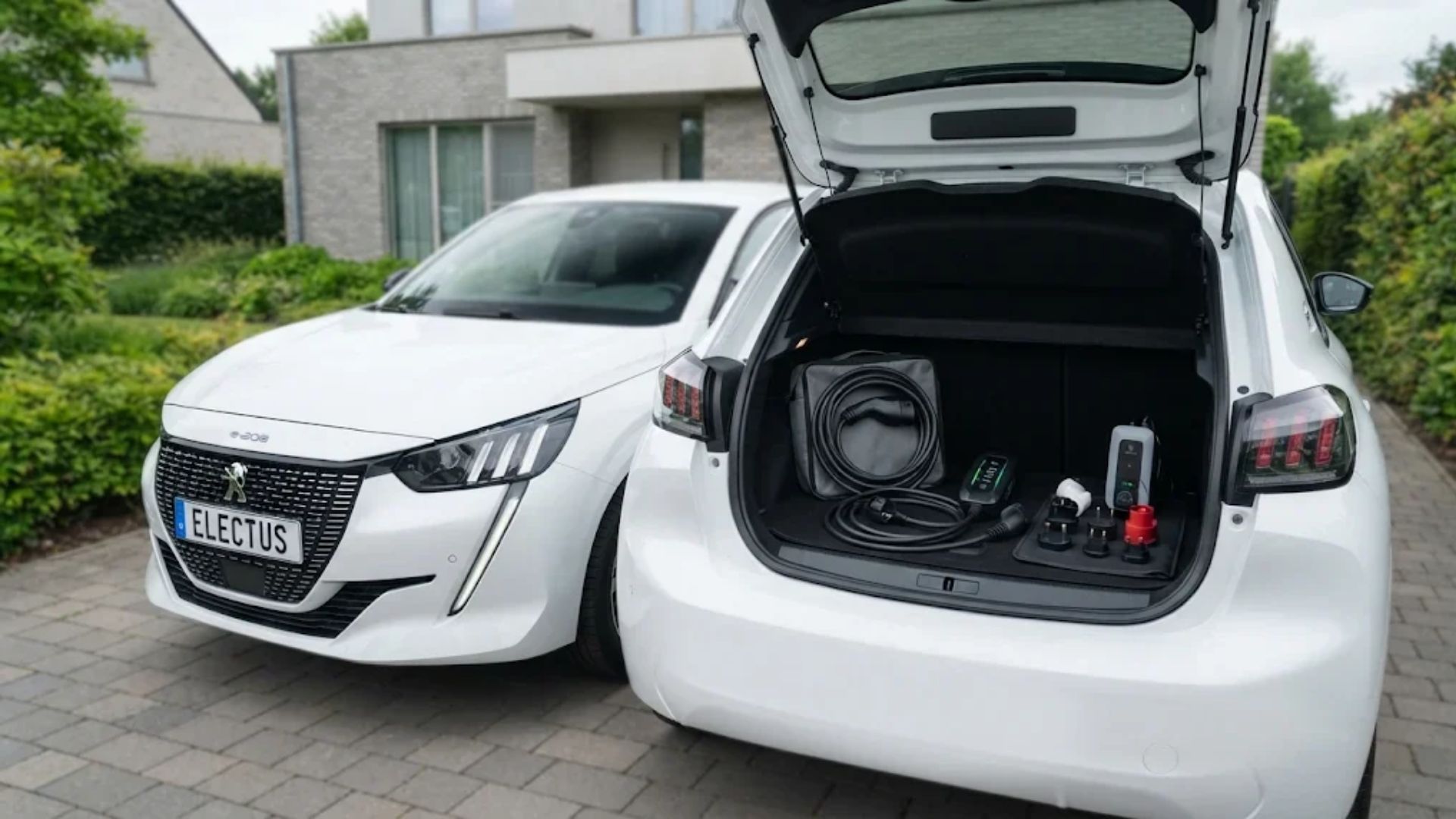
Tip: check your boot and the storage space under the floor before buying. A cable is sometimes stored where you wouldn’t think to look.
If you are missing a cable, or the one you have doesn’t suit how you use your car, the next question is which type to choose.
The three types of charging cables
The Type 2 cable: for public chargers and wallboxes
The Type 2 to Type 2 cable (also called a Mode 3 cable) connects your car to an AC charging station: a public accelerated charger, a home wallbox or a shared charger in your building. It is the essential cable as soon as you charge away from home. The vast majority of recent electric cars sold in Europe use a Type 2 socket.
The granny cable: for household sockets
The granny cable plugs into a standard household socket or a reinforced socket such as a Green’Up. Despite its reputation, it isn’t just for emergencies: many drivers use it every day, at home or at work, when the car stays plugged in for several hours.
Its limit is power: around 2.3 kW on a standard socket and up to 3.7 kW on a reinforced socket. That’s ideal for overnight charging, but too slow to add a lot of range in a short time.
 Charging
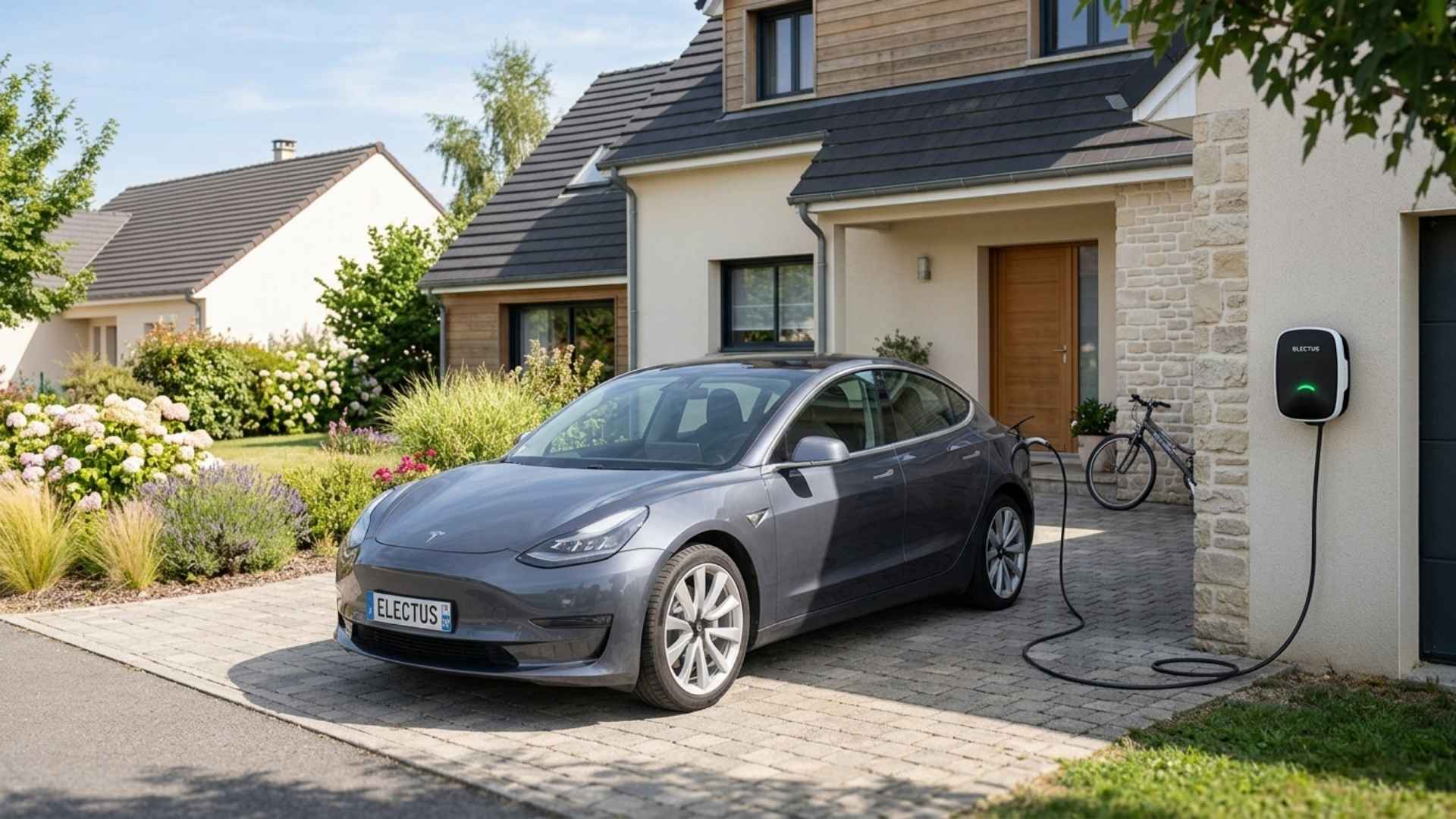
Everything you need to know about home charging options depending on your installation and needs.
Read the articleThe all-in-one mobile charger: one device for everything
In between, there is a third, lesser-known type: mobile chargers with adapters, such as the NRGkick. The principle is simple: a control unit, a Type 2 cable on the car side and interchangeable adapters on the socket side.
Depending on the adapter you plug in, the same charger works on:
| Socket used | Maximum power |
|---|---|
| Household socket | around 2.3 kW |
| Green’Up reinforced socket | 3.7 kW |
| Blue CEE industrial socket (single-phase) 16 A / 32 A | 3.7 kW / 7.4 kW |
| Red CEE industrial socket (three-phase) 16 A / 32 A | 11 kW / 22 kW |
| Public Type 2 charger (with dedicated adapter) | up to 22 kW |
It therefore replaces both the granny cable and, with the right adapter, the Type 2 cable. Above all, it lets you charge quickly from an industrial socket, which you will often find in garages, holiday rentals or on farms.
Good to know: the maximum power depends on the charger version (16 A or 32 A) and the adapters included, some of which are sold separately. Check what’s in the pack before buying.
Once you have chosen the type of cable, one criterion makes all the difference to charging speed: power.
7 kW or 22 kW: which power should you choose?
Type 2 cables mainly come in two versions:
- the 7 kW cable (single-phase, 32 A), suitable for cars whose on-board charger accepts up to 7.4 kW;
- the 22 kW cable (three-phase, 32 A), which works with every car and every charger. It simply delivers the maximum power that the car and the charger accept.
The 22 kW cable is therefore the most versatile choice: it will suit your current car, and your next one too. A 7 kW cable is slightly lighter and more flexible, but it can significantly slow down charging for a three-phase car on a 22 kW charger.
On the other hand, it’s best to avoid 11 kW cables: limited to 16 A, they drop a 7.4 kW single-phase car to just 3.7 kW.
Tip: the actual charging speed depends on your car’s on-board charger, not only on the cable. You can find the AC charging power of every model on its page in the Electus app.
 Car
AC or DC, CRO or Type 2 cable, 7 kW or 22 kW: learn what really sets your electric car’s charging speed and how to charge with confidence.
Read the articleKnowing your car’s charging power also means knowing where to charge without wasting time.
What makes a good cable
At the same power, not all cables are equal. Several details make a difference in everyday use.
Length. A 5 m cable is often enough, but it can be too short depending on where your charging flap is and how you park. Lengths of 7.5 m or 10 m give you more freedom, at the cost of a heavier cable to handle and store.
Durability. Check the ingress protection rating (at least IP54 for outdoor use, IP67 for the most rugged). Also look at how flexible the sheath is: a cable that stays supple in cold weather is much easier to coil up in winter.
Safety. Choose a certified cable: CE marking, compliance with the IEC 62196 standard and, ideally, an independent certification such as TÜV. For a granny cable or a mobile charger, thermal protection at the plug is a real plus: it reduces the power if the socket heats up.
Ease of use. A storage bag, protective caps for the connectors and a well-designed handle may seem minor, until the first time you charge in the rain.
Settings. On a granny cable or a mobile charger, being able to adjust the current (8, 10, 13 or 16 A) lets you adapt charging to the socket available. Some models, such as the NRGkick, can also be controlled from an app.
With these criteria in mind, here are the models we recommend for each use.
Our selection of charging cables
To make your choice easier, we’ve picked one model for each use:
- The Type 2 cable: the essential cable for charging at public chargers and wallboxes. If you only have one cable, make it this one.
- The granny cable: for relaxed overnight charging from a household or reinforced socket, at home or on holiday.
- The NRGkick: the premium and most versatile choice. A single device for household sockets, industrial sockets and, with its adapter, Type 2 chargers. Ideal if you travel often or charge in many different places.
Choosing the right cable is half the job. The other half is using it properly.
Mistakes to avoid
Some mistakes come up again and again, and they can be costly or even dangerous:
- Plugging a granny cable into an extension lead or a power strip. Charging draws a high current for hours, and these devices aren’t designed for it. Always plug directly into the wall socket.
- Using an industrial socket that isn’t set up for charging. A CEE socket must be installed on a dedicated, protected circuit by an electrician before you plug a mobile charger into it.
- Buying a cable that’s too short. Saving a little money can mean reversing into the space every time you charge, or not being able to reach some chargers at all.
- Choosing an 11 kW cable. As explained above, it can halve the charging speed of a single-phase car.
Avoiding these mistakes also protects your cable, which lasts longer the better you look after it.
Looking after your cable so it lasts
A charging cable is a sturdy piece of equipment, but a few simple habits will extend its life:
- store it in its bag after each use, coiled without kinking it;
- don’t drive over it and don’t leave it lying where people walk;
- protect the connectors from rain and dust with their caps;
- check the sheath regularly: a cracked or damaged cable should no longer be used.
In summary
- At fast chargers (DC), the cable is provided: you don’t need to buy anything.
- The Type 2 cable is essential for public accelerated chargers and wallboxes.
- The granny cable lets you charge from a household or reinforced socket, including every day.
- The all-in-one mobile charger (such as the NRGkick) replaces both and gives you access to industrial sockets.
- A 22 kW cable is the most versatile choice; avoid 11 kW cables.
- Check the length, IP rating, certifications and ease of use.
- Never plug a granny cable into an extension lead or a power strip.