How to charge an electric car on the motorway
During a long journey in an electric car, you will generally need to complete one or more rapid charging sessions before reaching your destination.
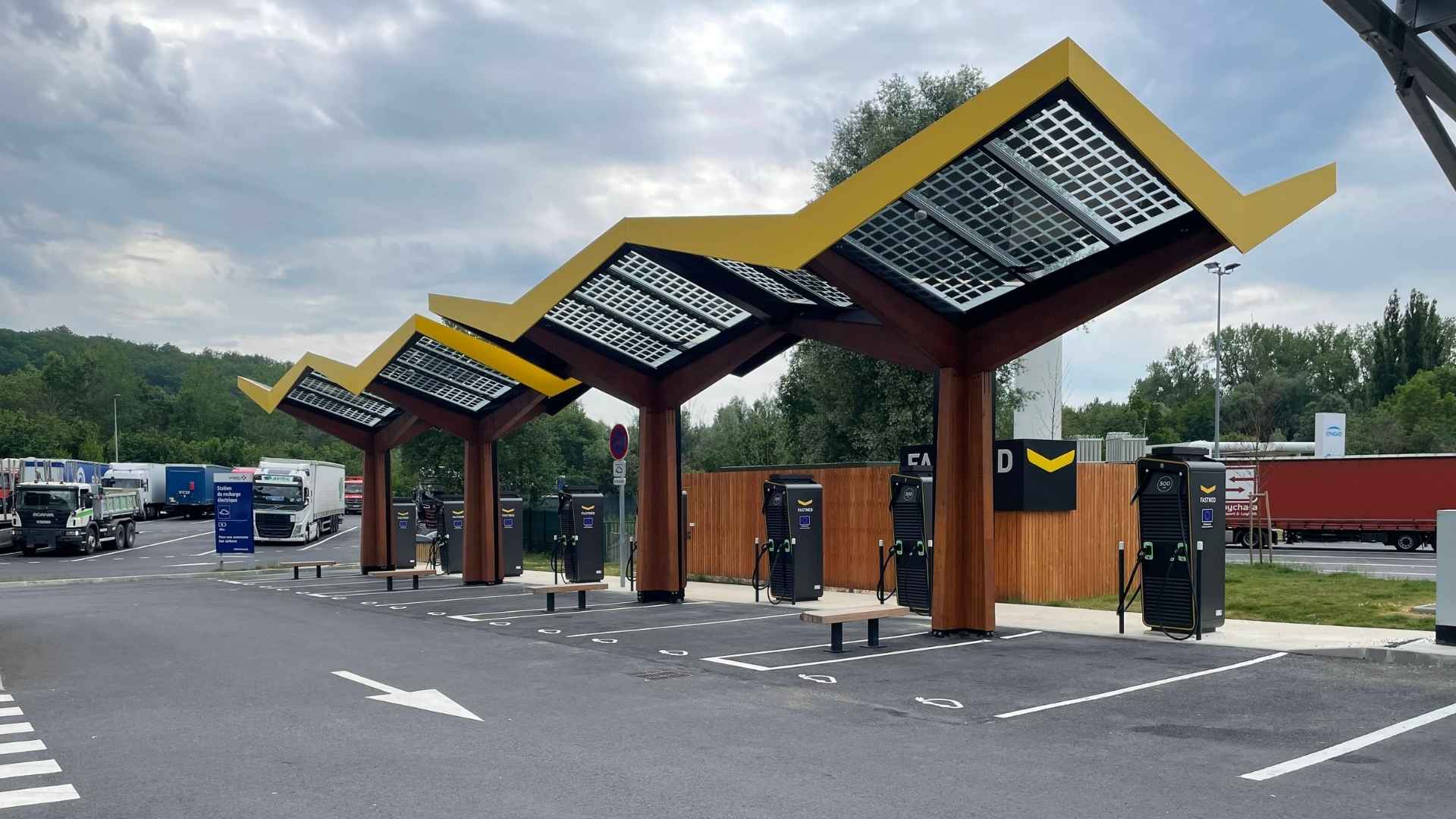
You can use a station located directly at a motorway service area or temporarily leave the main route to reach a rapid charging station nearby.
In both cases, the charging process remains similar.
Plan your stops before setting off
A long journey in an electric car can quickly become complicated if you do not know your vehicle well and do not want to plan everything manually.
The Electus route planner takes care of everything for you. Enter your vehicle, starting point and destination, and it will suggest a route with the necessary charging stops.
It will also show you the estimated cost, and you can follow the route directly from your car’s screen using the Apple CarPlay or Android Auto integration.
At what battery level should you stop?
It is generally more efficient to arrive at the charging station with a relatively low battery level, while keeping a safety margin.
Rapid charging is often most effective when the battery level is between approximately 10 and 30%.
When the battery reaches 80%, charging performance will decrease significantly. To avoid wasting time and blocking the charger, continue your journey.
If your vehicle has a preconditioning function, activate it approximately 30 minutes before arriving at the charging station.
How does a rapid charger on the motorway work?
A rapid charger allows you to recover enough range to continue your journey without leaving the car plugged in for several hours.
For a charge from 10 to 80%, rapid charging takes an average of 20 minutes.
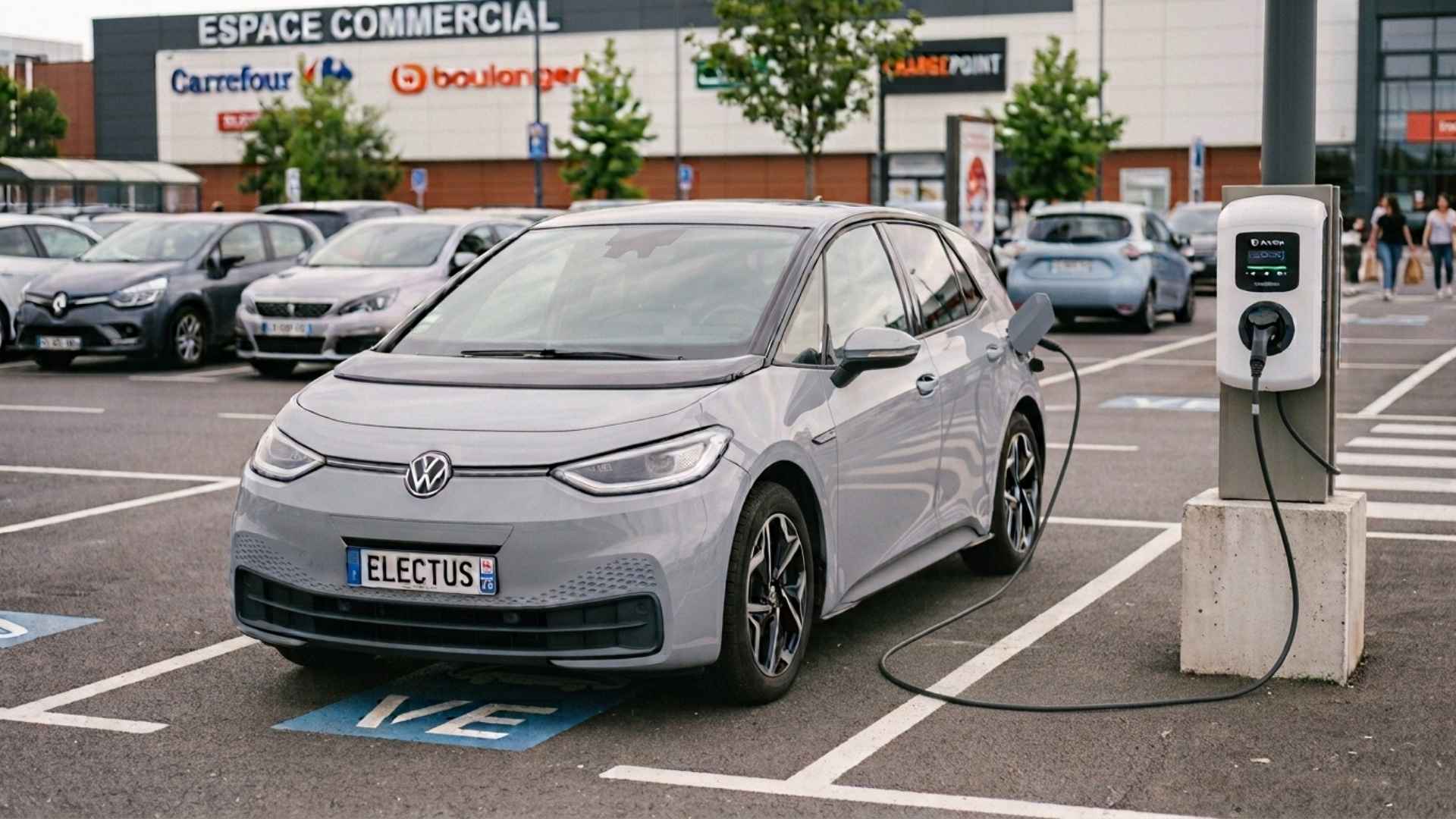
The cable is directly attached to the charger, so you do not need to bring a charging cable.
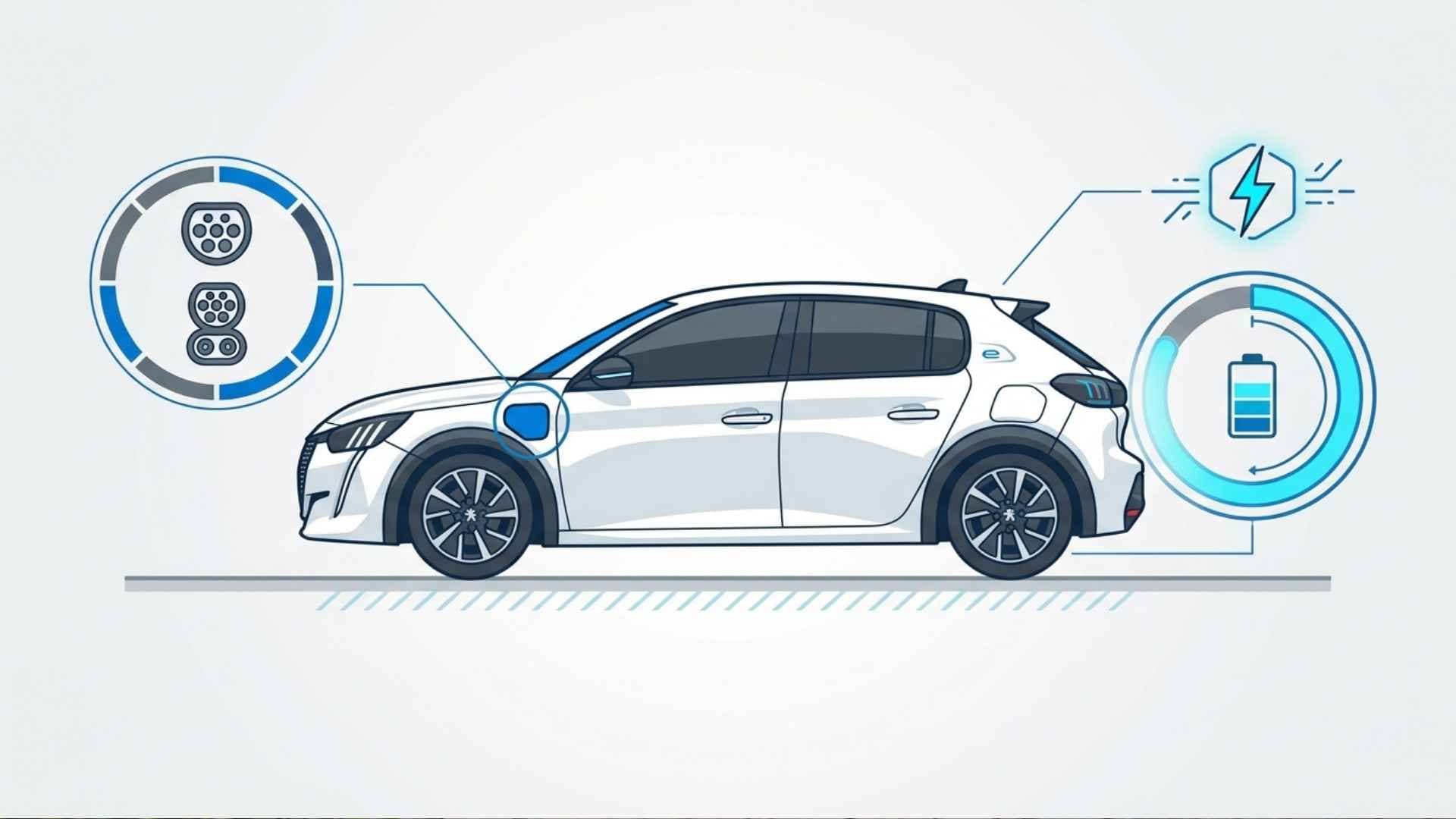
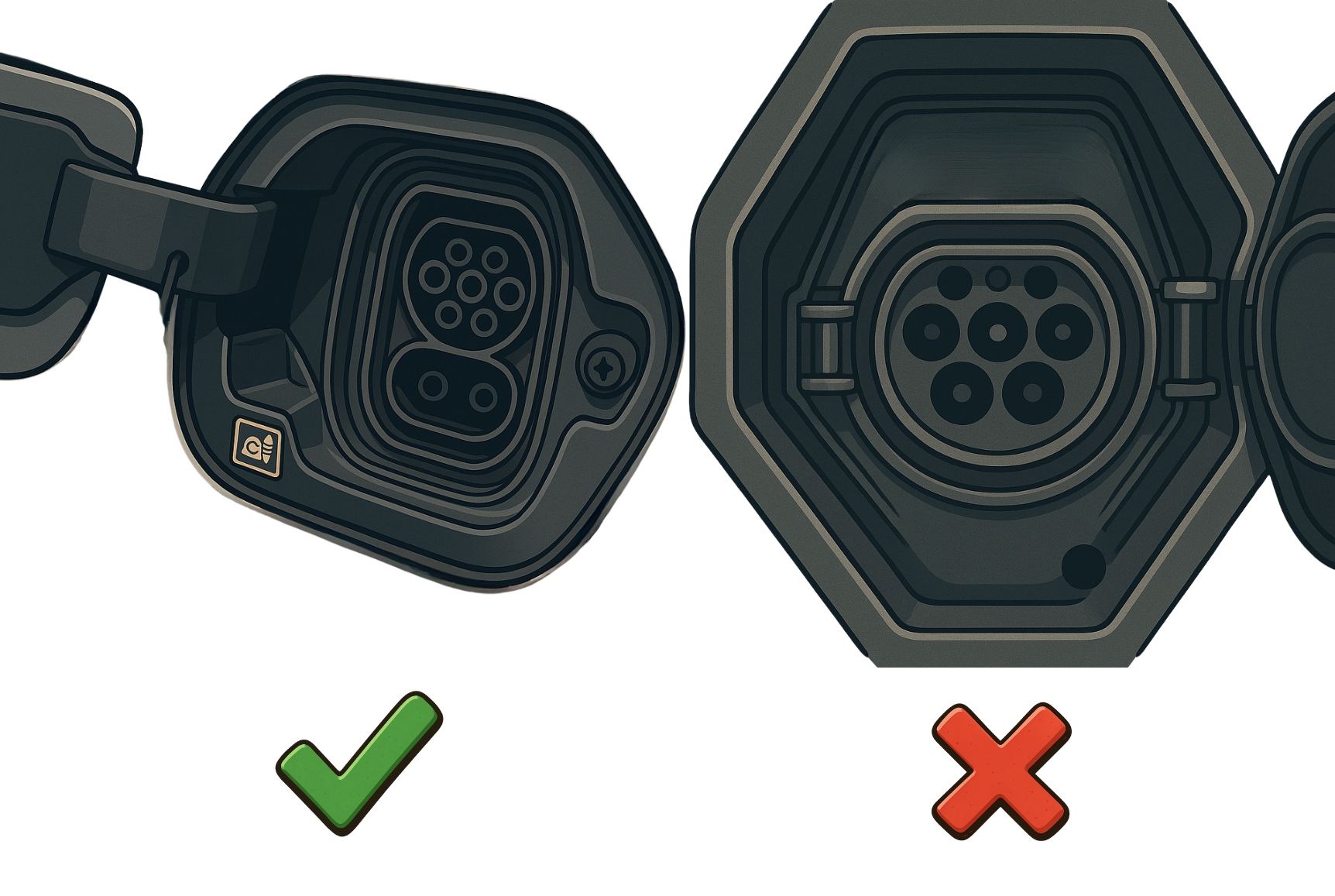
Before using a rapid charger, check that your vehicle has a Combo CCS rapid charging connector.
Some entry-level vehicles only have a Type 2 connector, which cannot be used for rapid charging.
How do you start charging?
The method used to start a rapid charging session is generally the same, although it may vary depending on the equipment.
First, take your Electus badge and present it to the charger’s reader.
If you do not have an Electus badge, it is advisable to order one before setting off.
If the charger offers this option, select the connector you want to use, then present your Electus badge to the charger.
Plug in your vehicle and wait for the charging session to begin.
Once charging has started, you can do something else while the vehicle charges. You can monitor the charging session in the Electus app.
How do you stop charging?
The stopping procedure will depend on the equipment being used.
Some chargers will ask you to present your Electus badge to end the charging session, while others will only require you to press “stop”.
Once your session has ended, return the charging cable correctly to the charger and free up the space for the next users.
Why might charging be slower than expected?
The power displayed by the charger corresponds to its maximum power output. This power may be divided between the number of vehicles connected to the station or charger.
Your vehicle may also be a limiting factor depending on the maximum power it can accept, the battery temperature and the battery charge level.
Charging power will be higher when the battery level is low and will decrease significantly from 80%.
Some cars can also prepare the battery temperature when a rapid charging station is selected in their navigation system. This function, known as preconditioning, can improve charging speed in cold weather.
Make the most of your charging stop
A rapid charging session generally lasts long enough to:
- Use the toilets
- Have a coffee
- Have lunch
- Walk for a few minutes
- Check the rest of your route
Some stations may apply additional fees when the vehicle remains connected for too long after the charging session has ended.